
After a hurricane, a wildfire, or an ice storm, the people who come to fix it need somewhere to sleep, and the hotels are full or damaged. A base camp solves that by bringing the beds, the showers, and the meals to the staging yard. Your line crews, debris teams, and responders sleep next to the trucks and start the day on the job, not on the highway.
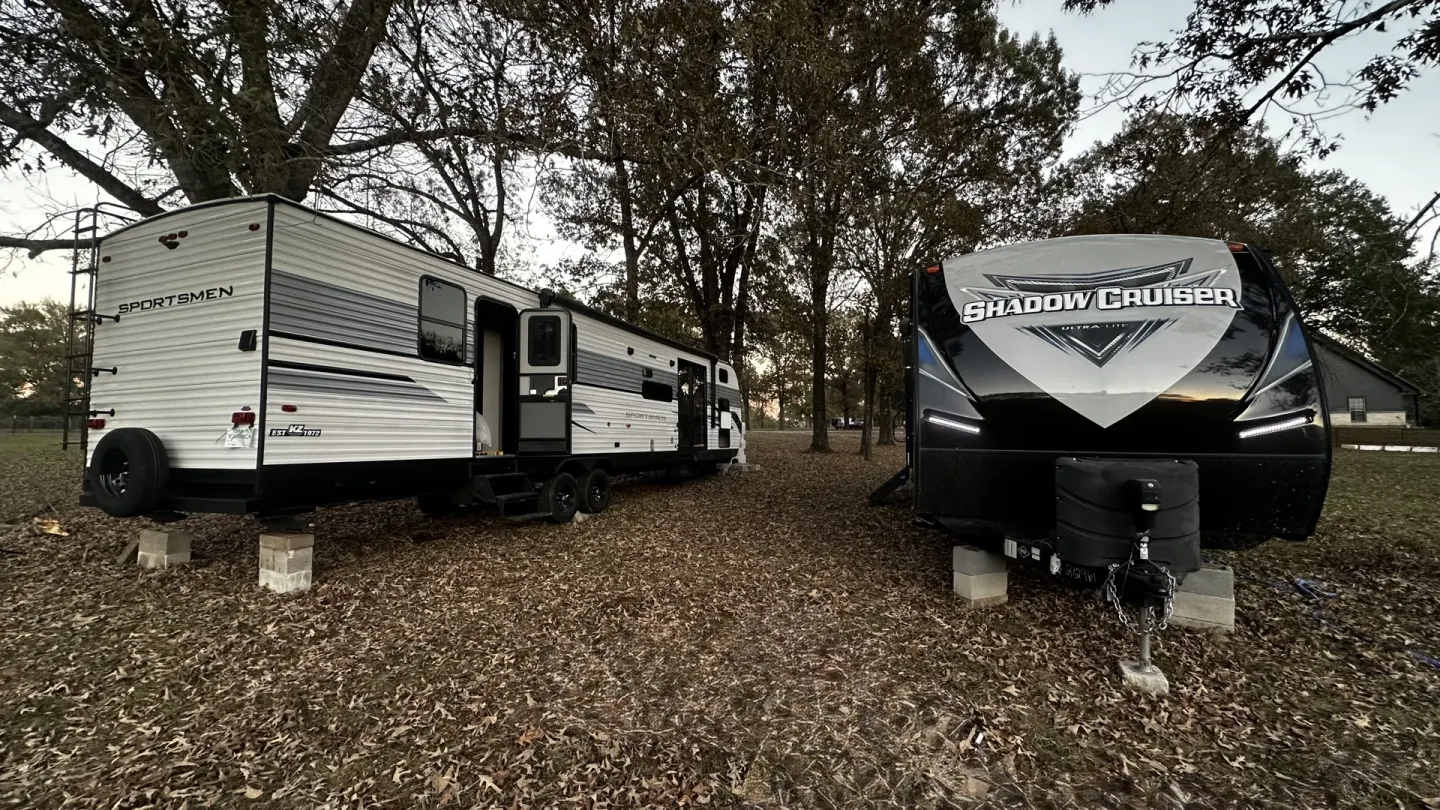
What goes into the camp
A camp is built from the units the mission needs. Tell us the head count, the location, and how long the work will run, and we lay out the mix.
One contact, one invoice
A base camp has a lot of moving parts. You should not have to manage a different vendor for the beds, the showers, the laundry, and the office. One contact runs the camp from the first call to the last pickup, and every unit, delivery, connection, and service visit is on one invoice, itemized by unit, site, and dates.
Smaller camps, closer to the work
Storm restoration has been moving toward smaller basecamps placed close to the damage instead of one large camp an hour away. Less windshield time means more hours on the lines and the debris. That is the camp we build: sleeper trailers and RV trailers on a staging yard, a laydown yard, or a lot near the job, added to as the work grows. It also leaves the hotel rooms still open in the area for residents who lost their homes, and when those residents need a trailer on their own lot, we place that too.
How a camp gets built
- Head count and location. Who is coming, how many, for how long, and where the work is.
- Site check. Ground, access, power, water, and sewer options on the staging yard or the nearest suitable ground.
- Layout and quote. The mix of sleeping, shower, laundry, dining, and office units, in writing.
- Delivery and setup. Units arrive, are leveled and placed, and licensed, insured contractors complete the utility connections.
- Service while it runs. Scheduled service visits keep the camp working. The camp grows as the mission grows and comes down as it winds down.
- Takedown and closeout. Site conditions are documented at setup and again at takedown, and the closing paperwork goes into your file.
Who it is for
Since 2004
1st Choice Living began in disaster housing, placing crews and displaced families after storms. We deliver nationwide and keep inventory pre-positioned for storm surges. When residents need a trailer on their own lot while the house is rebuilt, that is our disaster response housing. When the file needs aerial damage mapping before and after, LossMap is ordered through the same contact.
FAQ
What is a disaster relief base camp?
Temporary housing and support for the people working a disaster, set up near the damage: sleeping quarters, showers and restrooms, laundry, a place to eat, and an office to run the mission. It lets line crews, debris teams, and responders sleep where they work when every hotel in the area is full or damaged. Utilities often call it a basecamp or a storm restoration basecamp.
What can a base camp include?
Furnished RV trailers for private quarters, sleeper trailers (also called bunk or dorm trailers) for the bulk of a crew, shower and restroom trailers, laundry trailers, and kitchen, dining, and office units. We build the mix from the head count, the length of the mission, and the ground available.
Why build a smaller camp closer to the work?
Every mile between the beds and the damage is windshield time a crew is not spending on the lines or the debris. A smaller camp on a staging yard, a laydown yard, or a lot near the job puts crews to work sooner. It also leaves the hotel rooms still open in the area for the families who lost their homes.
How is a base camp billed?
One invoice per deployment, itemized by unit, site, and dates, billed to the agency, the prime contractor, or the utility that holds the file. Every unit in the camp, whatever kind it is, is on the same invoice with the same contact.
Can a camp go on a site with no utilities?
Yes. Power, water, and sewer options are assessed on the site check and the camp is planned around what is there. Licensed, insured contractors complete the connections, and scheduled service visits keep the units working for the length of the mission.
Can you support federal and FEMA-related work?
Yes. We are SAM registered with a UEI, we keep inventory pre-positioned for storm surges, and we support FEMA-related and government deployments. Placement records, site conditions at setup and takedown, and a service log are kept for the reimbursement file.