
Water is different from fire. The house is still standing, the roof is on, and from the street it can look fine. Inside, the drywall is wicking, the subfloor is swelling, and everything the water touched has to come out before anyone can put it back. It does not matter much whether the water came from a river, a storm surge, or a burst main in the wall. The work that follows is the same, and it is slower than most families expect. 1st Choice Living has housed displaced families on their own property since 2004, nationwide, staged near you. This guide is what we tell people on the first call.
The first days
The instinct is to start hauling wet things to the curb. Hold that for a moment. The order you do things in during the first days shapes the whole claim.
- Safety first. Do not go back in until the power is off at the main and the water has gone down. Floodwater carries sewage and fuel. Wear boots and gloves, and stay out of any room where the ceiling is sagging.
- Document the water line. Photograph the high-water mark on the wall in every room, with a tape measure in the frame if you have one. Then photograph the contents where they sit. Walk the house on video, narrating what you see. Do all of this before anything is moved, thrown out, or cut.
- Call your carrier. Open the claim and ask which policy applies. Flood policies and homeowner policies are different contracts, and a burst main inside the house is often handled differently from rising water outside it. We are not giving legal advice here; the adjuster confirms which policy is handling the loss and what it covers.
- Ask about Additional Living Expenses. Some policies include ALE, sometimes called loss of use, which pays for somewhere to live while the house is not livable. Ask whether your claim has it and what the limit is. That answer decides how your housing gets paid for.
- Keep every receipt. Hotel nights, meals, laundry, pet boarding, fuel for the extra driving. If the claim covers living expenses, these are what you submit.
If your loss was a fire rather than water, the steps are similar but the details differ. See our house fire guide.
Why flood repairs take longer than they look
A flooded house goes through three stages before rebuilding can start, and each one has to finish before the next begins.
- Drying. A drying contractor cuts out wet drywall and insulation to above the water line, pulls flooring and often the subfloor, and runs fans and dehumidifiers until moisture readings clear. Cabinets and built-ins that took water usually come out too.
- Mold remediation. If the house sat wet for more than a short time, or if the readings will not come down, a remediation crew treats the framing and a clearance test confirms it is done. Nobody should be sleeping in the house while this happens.
- Inspections before rebuild. Electrical and plumbing that took water gets inspected, and in many places permits are pulled before the walls go back up. The inspector has to sign off before the drywall crew can close anything.
We do not give timelines, and you should be careful with anyone who does. How long this takes depends on the damage, the contractor, and the permit office. The family who plans for a longer stay and gets a shorter one is in a better spot than the reverse.
Staying on your property during the dry-out
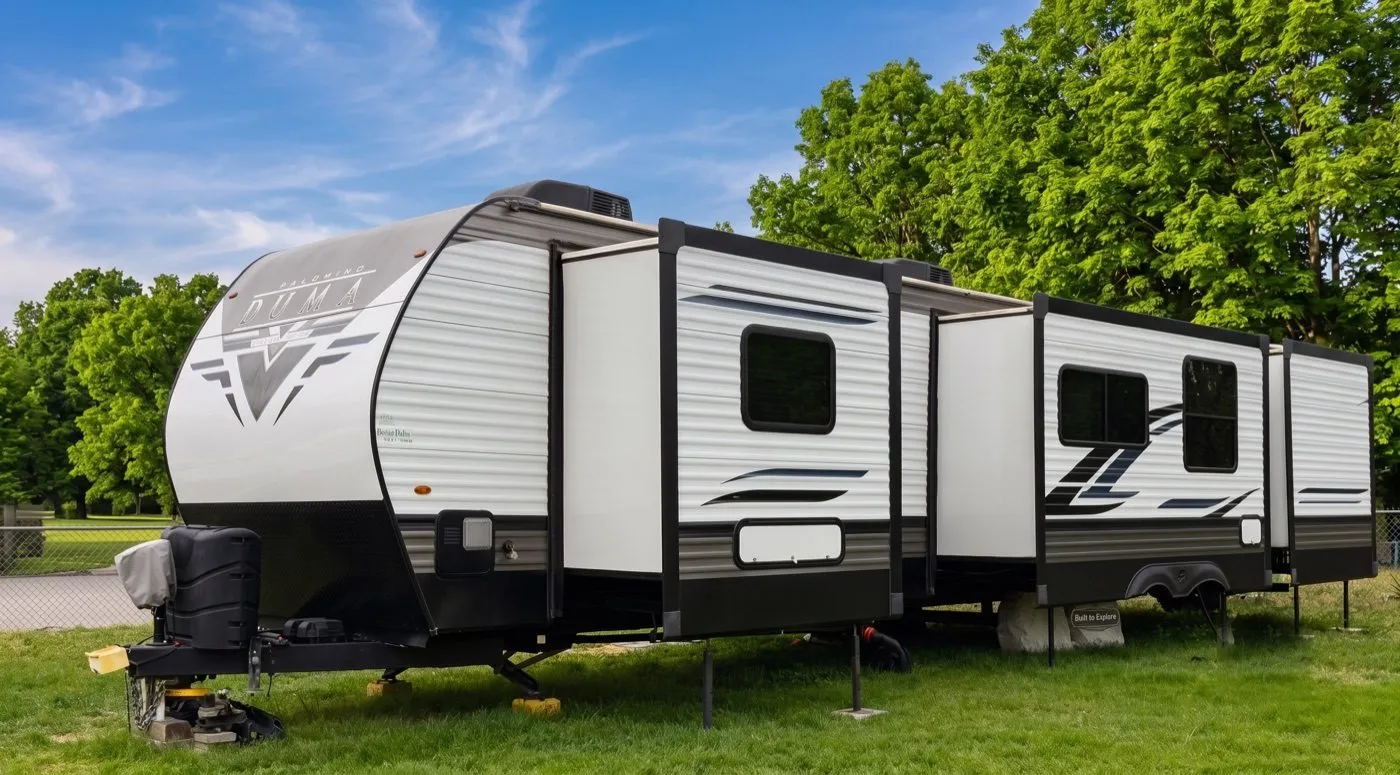
Most temporary housing moves you away: a hotel across town, a rental in another school zone, a relative’s spare room. The alternative is to stay. We deliver a fully furnished travel trailer to your lot, level it, set it up, and connect it, so you sleep in your own driveway or yard while the house is worked on. On-site RV housing is how we describe it. For a flood, it means you are there when the contractor has a question, when the sump pump needs checking, when the mail comes, and your pets stay home instead of boarding.
What that includes:
- A furnished unit that sleeps two to ten, with a kitchen, a bathroom, real beds, and heat and air. Housewares come from Temporary Housewares so you are not buying dishes for a place you will leave.
- Local rules checked before delivery. Some places need a temporary-use permit for an RV on a residential lot during a repair. We confirm what your address requires.
- Utility connections completed by licensed, insured contractors from our preferred vendor network. After a flood that often means confirming power is safe to use before anything is plugged in.
- Site conditions documented at setup and again at takedown.
- Scheduled service visits for the length of the stay.
- One named contact from the first call to the day the unit leaves.
- Direct billing to your carrier under ALE where the claim covers it. We track the stay against your ALE limit so there are no surprises. On a covered claim that is $0 out of pocket for your family.
The unit needs dry, reachable ground. If the lot is still under water, we stage the trailer nearby and bring it in when the water is gone. Curious what living in one is like day to day? See living in a travel trailer.
If the whole street flooded
When one house floods, there is a hotel room somewhere. When the whole neighborhood goes under, the hotels fill, the rentals vanish, and the families who find something end up an hour from home. On-site placement does not compete for that inventory. The trailer is staged near you and goes on ground you already own.
The same units house the people doing the rebuilding. Utilities, agencies, and restoration contractors use them for crews when a community has nowhere left to rent. That work is covered on our disaster response page. If you are an adjuster or carrier reading this on behalf of a policyholder, start at for adjusters and carriers.
Questions to ask your adjuster
Write these down before the call. Clear questions get clear answers.
- Which policy is handling this claim, flood or homeowner, and does the other one apply to any part of it?
- Does this claim include Additional Living Expenses or loss of use, and what is the limit?
- Is temporary housing on my own property an eligible expense, and can the provider bill you directly?
- Do you need a contents inventory, and in what format?
- Will there be a mold inspection or clearance test before rebuild, and who orders it?
- What do you need from the drying contractor: moisture logs, photos, invoices?
- Are there deadlines for the proof of loss or the contents list?
- When is your inspection, and do I need to be there?
- If you are reassigned, who becomes my contact?
- What does this claim not cover that I should plan for myself?
Frequently asked questions
Can I live in a trailer on my flooded lot?
In many places, yes, once the water has receded and there is dry, reachable ground for the unit. Some cities and counties allow a temporary RV on a residential lot during an active repair; some require a temporary-use permit. We check the local rules for your address before delivery.
Will flood insurance pay for temporary housing?
It depends on the policy. Additional Living Expenses or loss of use is common on homeowner policies and less common on standalone flood policies, and the two are separate contracts. Your adjuster confirms which policy is handling the claim and whether temporary housing is covered. When it is, we bill the carrier directly and track the stay against the limit.
What about mold and my kids?
A house that sat wet is not a place for children, or anyone, until the drying contractor and any mold remediation are done and cleared. A furnished trailer on the lot gives the family a clean, dry place to sleep and cook that is separate from the house, while still being close enough to keep an eye on the work.
How do I start?
Call us or send the request form. We ask about the property, the claim, and how many people need beds. You get one named contact, we confirm the local rules, and we coordinate delivery, setup, and utilities with your adjuster in the loop.
Stay close while the house dries out
Call or send the request form. One named contact, permits checked before delivery, direct billing to your carrier where the claim covers it.
Want the details on placement first? Read about on-site RV housing.